Why AEO Matters for Your Website Performance
Understanding the Shift in Digital Analytics
For years, the standard approach to improving a website meant installing a tool like Google Analytics, watching the traffic numbers go up, and hoping for the best. But anyone who has run a business online knows that traffic alone does not pay the bills. What matters is what happens after someone lands on your page. That is where a more focused strategy comes into play, one that many marketers now refer to as AEO. This approach shifts the emphasis from simply attracting visitors to understanding their intent and guiding them toward a specific goal.
I have spent a good part of my career working with small and mid-sized businesses that were frustrated by their online performance. They had decent traffic, sometimes even impressive numbers, but their conversion rates were flat. The problem was rarely the product. It was the gap between what the visitor expected and what the website delivered. AEO addresses that gap by aligning your content, design, and tracking with the user's actual needs.
What AEO Really Means in Practice
To put it simply, AEO stands for Answer Engine Optimization. Instead of optimizing only for search engine rankings, you optimize for the answers people are looking for. When someone types a question into Google or speaks it into a voice assistant, they want a direct, useful answer. They do not want to wade through a generic landing page that talks about your company history. They want the solution. This is not a new idea, but it has become more critical as search engines get better at understanding natural language.
For a website owner, this means rethinking how you structure your content. Instead of a page that lists features, you create a page that answers a specific problem. Instead of a call to action that says "Learn More," you use something more direct like "Get the Guide" or "Start Your Free Audit." Small changes like these, informed by real user behavior, can dramatically improve your click-through rate and reduce your bounce rate.
Tools That Help You Measure What Matters
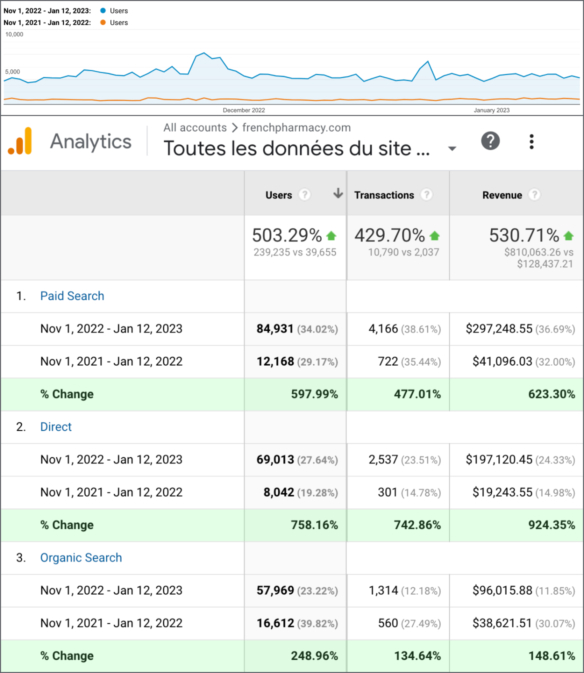
To implement AEO effectively, you need the right data. Google Analytics is still the foundation for most sites, but it only tells you part of the story. It shows you where visitors come from and which pages they visit, but it does not tell you why they leave. That is where tools like Hotjar and Crazy Egg become valuable. Hotjar lets you see heatmaps of where people click and scroll, so you can spot exactly where they get stuck. Crazy Egg offers similar insights along with A/B testing features that let you compare different versions of a page.
Another essential tool is Google Search Console. It shows you the actual search queries people use to find your site. If you see a lot of impressions for a question like "how to reduce cart abandonment," you know you need a page that directly answers that. You can then write content that satisfies that intent and measure the impact through your analytics. Google Tag Manager helps you set up custom events, like button clicks or form submissions, so you can track micro-conversions that lead to the final sale.
I have also used Optimizely for more advanced A/B testing. It integrates well with most platforms and lets you run experiments without needing a developer every time. For example, you can test two different headlines on a landing page and see which one gets more sign-ups. The data from these tests feeds directly into your AEO strategy, because you learn what language and layout your audience responds to.
Connecting AEO with Your Content Platform
Most of the sites I work on run on WordPress or Shopify. Both platforms have plugins and integrations that make AEO easier. For WordPress, you can use SEO plugins that analyze your content for answerability. They check whether your page directly addresses common questions related to your topic. Shopify stores can use similar tools to optimize product pages and category descriptions. The key is to think beyond keywords and focus on the complete user experience.
For example, a Shopify store selling running shoes might have a product page that ranks well for "best running shoes for flat feet." But if the page does not answer the question of why those shoes help flat feet, the visitor might bounce. A simple fix is to add a short paragraph near the top that explains the biomechanics, then link to a more detailed guide. That small change can lower your bounce rate and increase conversions.
The Role of SEO in an AEO World
SEO is not dead. It has evolved. Traditional SEO still matters for getting your pages ranked, but AEO takes over once the visitor arrives. You need both. Tools like Moz, SEMrush, and Ahrefs help you find the right questions to target. They show you which queries have high volume and low competition, so you can create content that fills a gap. Once you publish that content, you use analytics to check if it actually answers the question. If the average time on page is low, you probably missed the mark.
I remember working with a client who sold organic skincare products. They had a page about "how to treat acne naturally." It ranked on the first page of Google, but the bounce rate was over 80 percent. When we looked at the page with Hotjar, we saw that visitors scrolled past the first few paragraphs quickly. The page started with a long story about the founder's journey. The actual acne treatment tips were buried halfway down. We restructured the page to put the treatment steps at the top, added a clear table of contents, and changed the call to action to a free consultation offer. Within two weeks, the bounce rate dropped to 45 percent and conversions tripled. That is AEO in action.
Conversion Rate Optimization and User Experience
Conversion rate optimization is the natural partner of AEO. Once you have aligned your content with user intent, you need to make the path to conversion as smooth as possible. That means testing your forms, your checkout process, and your calls to action. It also means paying attention to page speed and mobile responsiveness. A page that loads slowly will kill your conversions, no matter how good your content is.
User experience goes hand in hand with this. If your site is hard to navigate, people will leave. Tools like Hotjar can show you where users get frustrated. Crazy Egg can help you test different layouts. And Google Analytics can tell you which pages have the highest exit rates. Combine these insights, and you can make data-driven decisions that improve both user experience and conversion rates.
I also recommend using HubSpot if you have a larger site or a sales team. HubSpot integrates analytics, CRM, and content management into one platform. It lets you track a lead from the first visit all the way to a closed deal. That kind of visibility is invaluable for understanding which pages and which answers drive revenue.
Practical Steps to Get Started with AEO
If you want to start applying AEO to your own site, here is a simple process that works for most businesses:
- Identify the top five questions your customers ask most often. You can get these from your sales team, support tickets, or Google Search Console.
- Create a dedicated page or section for each question. Make sure the answer is the first thing a visitor sees, not buried under fluff.
- Use tools like Hotjar or Crazy Egg to watch how users interact with those pages. Look for drop-off points.
- Run A/B tests on your headlines, images, and calls to action. Even small changes can make a big difference.
- Track your results in Google Analytics. Pay attention to bounce rate, time on page, and conversion rate for each answer page.
This process is not a one-time fix. It is an ongoing cycle of testing and refinement. The web changes, search algorithms change, and your audience's needs change. AEO keeps you tuned in to those shifts.

Final Thoughts
I have seen too many businesses spend money on driving traffic without fixing what happens after the visitor arrives. That is like inviting people to a party and then locking the door. AEO is not a buzzword. It is a practical, data-informed way to make your website work harder for you. It respects the visitor's time and intelligence by giving them what they came for, right away. And when you combine it with solid analytics and a willingness to test, it transforms your site from a digital brochure into a revenue engine.
Start with one page. Pick a question your customers ask, write a clear answer, and measure the result. That single page can teach you more about your audience than a hundred generic blog posts. Once you see the impact, you will wonder why you did not try AEO sooner.